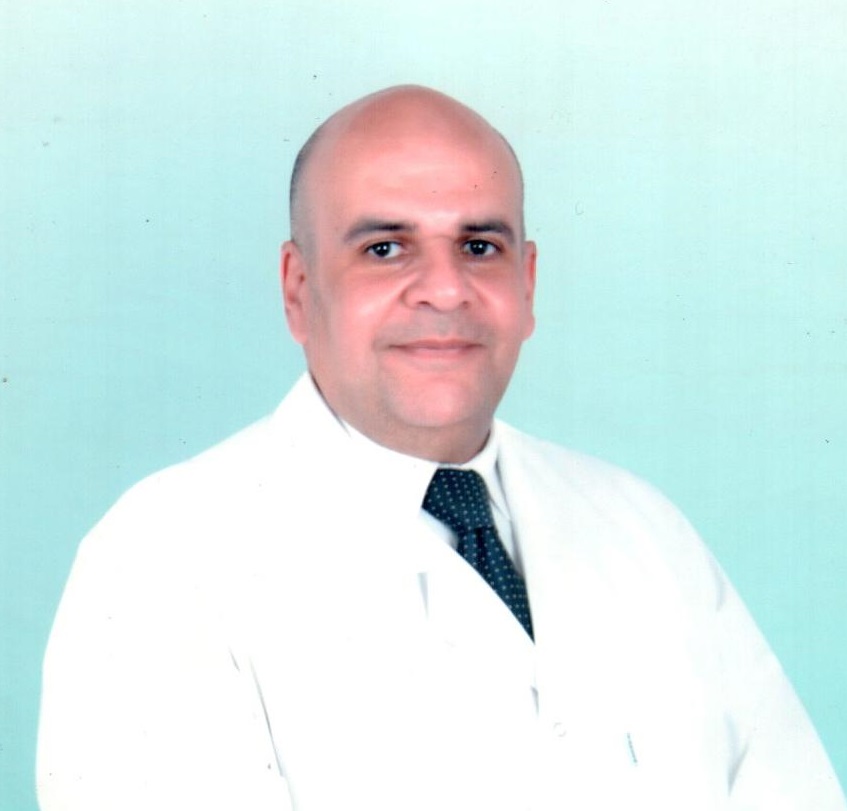
Prof. Dr.Omar Azzam
Vice Dean for Community AffairsFor Community Affairs
Vice Dean Welcome
Welcome to the Community and Environmental Affairs Sector
The sector has several pillars which serve the mission and vision of Kasralainy Faculty of Medicine and the national strategy “Vision of Egypt 2030”.
The sector is multifaceted providing many services: medical services, medical convoys, community outreach, alumni office and green office.
As regards medical services, the sector includes 31 highly specialized medical units providing medical services in various specialties.
Several medical committees that support all staff members, as well as employees of Cairo University.
Community outreach is achieved through medical convoys spanning all of Egypt with special attention to the more needy areas. These convoys train doctors and spread both medical and community awareness. The sector collaborates with several governmental, as well as non-governmental organizations addressing the community needs.
Alumni association is an integral part of the sector. It aims to foster a sense of community among alumni, provides networking channels, and builds up collaboration with the labor market to increase future employment opportunities.
Another milestone of the sector is raising awareness and implementation of sustainability, environmental safety and clean energy which is achieved through the green office.
Last but no least, the sector manages moderation and organization of activities to enhance the sense of belonging to Kasralainy family and to allow engagement in volunteer work that benefit the local community. Also, hosts social and cultural events to bring together students, staff, and community members.
Responsibilities of the Community Service and Environmental Development Sector
Kasr Al-Ainy Faculty of Medicine – Cairo University – houses (31) special nature units established between 1979 and the present. The concept of creating these units emerged in the 1970s to support nascent specialties requiring a specialized approach, far removed from routine rules and regulatory hurdles. These units are financially, technically, and administratively autonomous, operating within independent facilities equipped with all necessary resources to perform their functions.
The special nature units and centers are categorized according to the nature of their work into:
First: Service and Therapeutic Units
Second: Research and Educational Units
Stemming from the mission of Kasr Al-Ainy Faculty of Medicine, which aims to graduate the highest caliber of physicians capable of working across various healthcare systems, proficient in modern medical service skills, committed to professional ethics, and adept at applying modern technologies and national medical and pharmaceutical standards—with a focus on developing human capital competitiveness, serving the community, and contributing to the resolution of national health issues.
Through the faculty’s societal role, the Community Service and Environmental Development Sector organizes medical convoys as part of the Presidential Initiative (Decent Life / Hayah Karima) targeting the most underprivileged governorates, cities, and villages.
Kasr Al-Ainy Faculty of Medicine provides its services free of charge by organizing specialized medical convoys featuring a distinguished group of faculty members. These convoys are supported by Cairo University in cooperation with the Ministry of Youth and Sports, civil society organizations (Rotary Clubs, banks, private sector companies, and pharmaceutical companies). They provide therapeutic services, medical care, training programs, and workshops, as well as training for local physicians in cities and villages through clinical case assessments and performing surgical procedures based on available resources. Difficult cases are referred to Kasr Al-Ainy Hospital. Furthermore, the faculty maintains environmental safety through its Safe Hazardous Waste Disposal Unit and organizes an annual medical conference to discuss societal and national health issues.
The convoys operate within the outpatient clinics of the visited hospitals, receiving patients in various specialties, performing medical examinations, dispensing free medications, and evaluating cases to prepare them for necessary surgeries and required diagnostic tests.
Driven by the Community Service and Environmental Development Sector’s commitment at Kasr Al-Ainy Faculty of Medicine to provide distinguished medical services that meet the aspirations of faculty members and employees (approximately 30,000 faculty members and staff) at Cairo University.
The Supreme Medical Committee for faculty members and their assistants, as well as the Supreme Medical Committee for Cairo University employees, has been reconstituted, comprising the heads of departments for each respective specialty. Furthermore, the Supreme Medical Committee for Cairo University employees has been reinforced with new personnel to expedite and achieve prompt justice. The medical committee system has been restructured to prevent the depletion of Cairo University’s resources while ensuring patients receive all their requirements, including medications and distinguished medical services.
Under the directives of the President of the University, instructions were issued to prepare and equip a group of comprehensive clinics at the University City. These clinics are staffed by a group of the faculty’s professors to perform medical examinations for faculty members and employees from various university colleges, in addition to the clinics at the New Kasr Al-Ainy Teaching Hospital.
The Community Service and Environmental Development Sector at the faculty strives to contribute the necessary financial support to Cairo University Hospitals, enabling them to fulfill their mandated role amidst various challenges and difficulties. These challenges include the rising cost of providing free medical services and the increasing number of patients seeking distinguished medical care.
This support is facilitated through the deduction of specific percentages from the revenue of special nature centers and units as follows:
10% dedicated to supporting Cairo University Hospitals.
3% for the University’s Community Service Fund.
3% for the Faculty’s Community Service Fund.
1% for Employee Welfare.
Developing a comprehensive annual plan for occupational safety, health, and securing the work environment within the faculty and hospitals.
Defining objectives and strategies required to ensure the safety and health of employees and maintaining an appropriate working environment.
Restructuring the Occupational Safety and Health Sector within the faculty.
Implementing security and civil defense procedures, including monthly periodic inspections of fire extinguishers.
Establishing a waste management system within the faculty for both general and hazardous waste.
This committee was established at the faculty by Decree No. 687, dated November 1, 2020, issued by the Dean of the Faculty and Chairman of the Board of Hospitals. The Crises and Disasters Management Committee is responsible for the following tasks:
Identifying, predicting, and analyzing risks and their potential impact on the faculty.
Developing plans and designing scenarios to deal with expected crises and disasters.
Preparing and monitoring periodic maintenance plans for all faculty facilities and equipment.
Promoting cultural awareness regarding crisis and disaster management and the implementation of response and relief efforts.
Defining tasks and training target groups on procedures for handling various emergency cases.
Monitoring the status of facilities and reporting findings to the faculty administration to take necessary measures for addressing vulnerabilities.
Monitoring the implementation of safety and security standards across all scientific and administrative departments of the faculty.
Ensuring the availability of necessary resources for handling various cases and providing first aid.
Executing all types of response and relief operations according to the nature of the crisis or disaster.
Overseeing continuous evaluation systems for inspecting buildings, lecture halls, and faculty facilities using designated tools, and submitting periodic reports to the Dean.
The Alumni Follow-up Office aims to identify and fulfill the needs of graduates while striving to develop their skills and capabilities. It prepares them thoroughly for the labor market, ensuring they demonstrate excellence through qualifications that keep pace with contemporary professional requirements. Additionally, the office seeks to enhance the performance and efficiency of both students and graduates of the Faculty of Medicine by establishing communication channels between the faculty and its alumni to address their needs and align their skills with market demands. The office also aims to create links between the Faculty and its graduates across various cultural, social, and educational fields.
Accordingly, the Alumni Office was established at Kasr Al-Ainy Faculty of Medicine with a clear organizational structure issued in October 2020. This structure defines the board of directors’ mandates and a work program that includes:
Establishing a comprehensive alumni database.
Defining the unit’s role and importance to graduates and maintaining communication regarding the latest updates and activities via the faculty website.
Providing continuous education and training programs that serve the faculty, its graduates, the labor market, and society at large.
Assisting in alumni employment through a periodic event: the Annual Faculty Employment Fair.
Strengthening ties and engagement by periodically inviting alumni to faculty events, such as the Annual Faculty Conference and scientific conferences organized by various departments.
Organizing Alumni Career Day, which aims to assist graduates in choosing their medical career paths and exploring opportunities in entrepreneurship.
Participation in the Annual Faculty Conference: The Community Service and Environmental Development Sector actively contributes to the activities and organization of the faculty’s annual conference.
Organizing Scientific and Educational Events: Contributing to the establishment of conferences and educational seminars organized by the faculty’s academic departments or its special nature centers and units.
Safe Woman Unit and Awareness Role: Managing the specialized unit dedicated to supporting women and overseeing its community awareness initiatives.
Training and Educational Units: Supervising and supporting the various training and educational units that provide specialized professional development.